A day of shopping in Sluis is an outing in itself, especially in summer when many holidaymakers are staying on the coast of Zeeuws-Vlaanderen.
Open on Sundays too: for over a hundred years the shops have also been open on Sundays and public holidays; only on Christmas Day and New Year's Day do they close their doors.
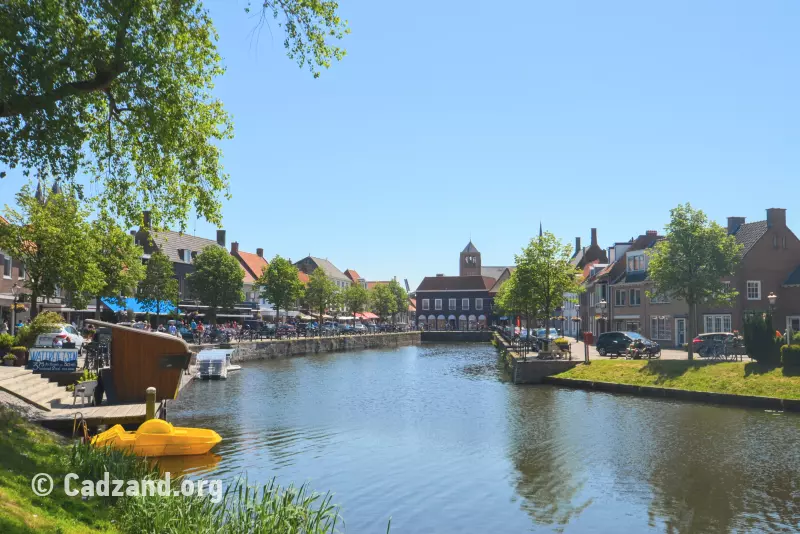
Longest shopping street in Zeeland: of all towns in Zeeland, Sluis has the most metres of main shopping street, and it still attracts many shoppers from Belgium.
Good food:Sluis also has a reputation to uphold when it comes to dining; for more tips, see food and drink.
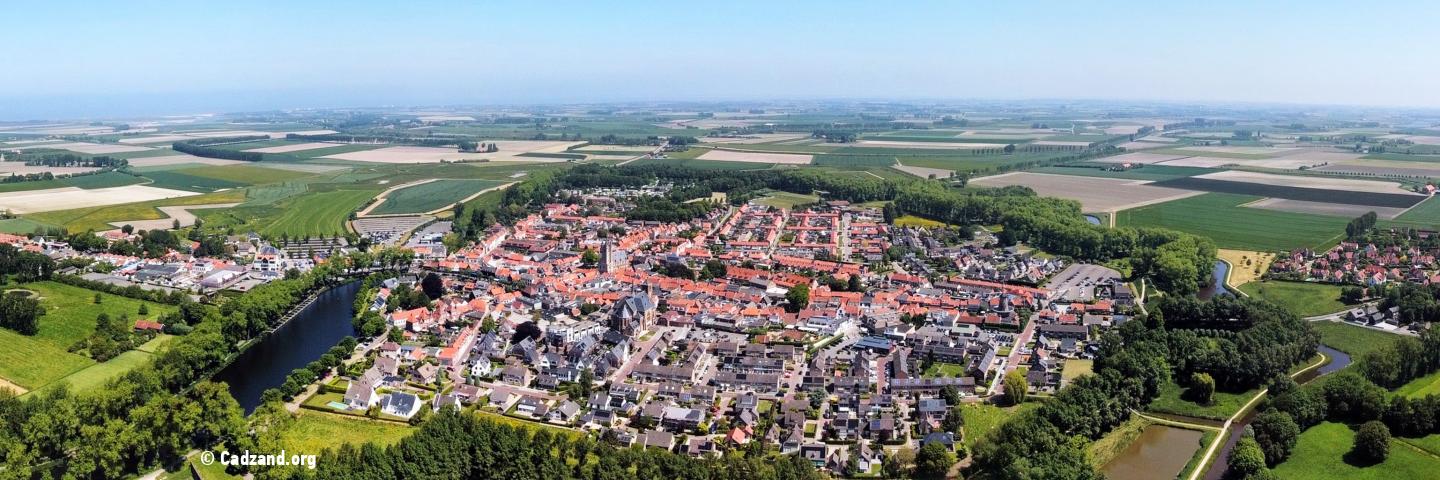
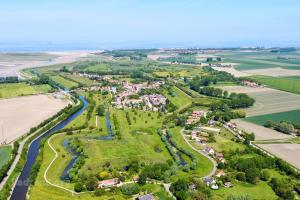
Sluis developed in the thirteenth century as the outer port of the powerful trading city of Bruges, on the banks of the Zwin.
Port on the Zwin: when the upper reaches of the Zwin silted up, the town remained accessible to merchant ships for a long time; at the end of the fifteenth century the mouth also became unnavigable and Sluis lost its importance.
Fortress: from 1394, on the orders of the Count of Flanders, ramparts, gates, moats and a castle were built to control shipping; in 1702 the fortress was modernised with bastions and ravelins.
City gates: the castle was destroyed by the French in 1794, but remains of three city gates have survived: the Stenen Beer or Westpoort (1456), the Oostpoort (1432) and the Zuidpoort (1399).
Belfry
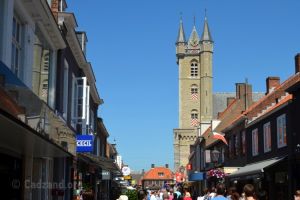
The biggest eye-catcher in Sluis is the town hall on the Groote Markt, the only one in the Netherlands with a belfry.
Symbol of freedom: the belfry was modelled on the belfries of Ghent and Bruges, as a sign of Flemish civic independence.
Rebuilt: the fourteenth-century tower has been destroyed several times; after heavy damage in the Second World War, the town hall was restored to its original state and reopened in 1960.
Council chamber: admire the wood carvings, the tapestry, the paintings and the eighteenth-century wrought-iron gate that came from the town hall of Middelburg.
View: climb the 142 steps of the belfry tower for a wonderful view over the landscape of Zeeuws-Vlaanderen.
Museum Het Belfort
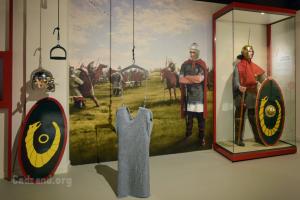
Museum Het Belfort is housed in the town hall of Sluis, with the only belfry in the Netherlands. It tells the story of Sluis as a trading and fortified town, and you can climb the tower. What ...
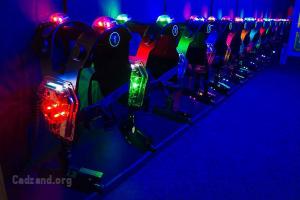
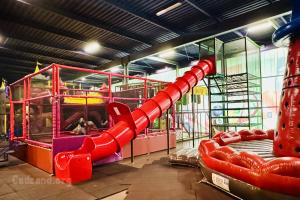
Toversluis Family Fun Parc in Sluis is an indoor family park for families, friends and companies from the Netherlands and Belgium. Bowling, laser game, play and food all under one roof. What ...
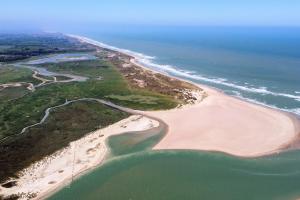
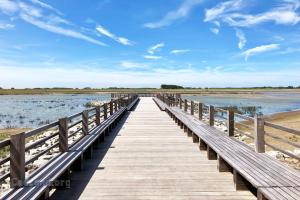
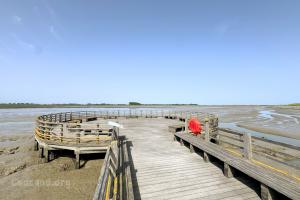
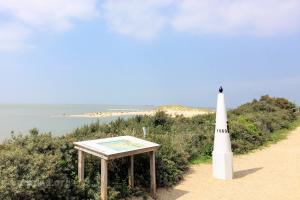
Het Zwin is a tidal area of mudflats and salt marsh on the border between Knokke-Heist and Cadzand. In 1952 it became Flanders' first nature reserve and covers some 575 hectares in total. What ...
On the Walplein, beneath the lime trees, stands the bust of Johan Hendrik van Dale (1828 to 1872), who was born in Sluis.
Linguist: as a teacher and city archivist he wrote school books and articles.
The Dikke van Dale: from 1870 until his death he worked on the New Dictionary of the Dutch Language, later known as the Dikke van Dale, the best-known Dutch dictionary; he had reached the letter Y.
Walking route through the fortified town
In about half an hour you walk past the belfry, the old quay and the bust of Van Dale to the windmill on the ramparts.
Belfry: the town hall with the only belfry in the Netherlands; climb the tower for the view.
Kaai: the old quay where ships from the Zwin used to moor, now full of shops and terraces.
Walplein: the bust of Johan Hendrik van Dale beneath the lime trees.
De Brak windmill: the corn mill on the ramparts, from where you walk back along the ramparts to the centre.
In the area
Around Sluis you will find nature, border villages and old fortifications.
Het Zwin: the nature reserve to which Sluis once owed its harbour, now a paradise for birds.